
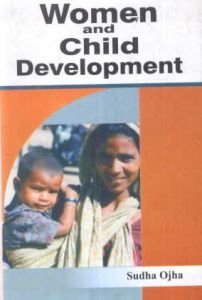
Women and Child Development Book
Contents: Preface. 1. Child development. 2. The psychology of childhood. 3. Child care and female employment. 4. Women in child welfare. 5. Family decision making: children and women. 6. Law and violent crime: women and children. 7. Protecting children from batterers: mothers strategies. 8. Children’s rights to survival: early education in India. 9. Shelter life and its effects on children’s development. 10. Child and family problems. 11. Maternal employment and child development. 12. Relationships and child development. Bibliography. Index.
No nation can achieve a sustained high and equitable growth without the development of its human resources. Women and children form nearly two thirds of our population. There are several environmental factors that are closely linked to the welfare of women and children. Each year close to eleven million children worldwide is estimated to have died from the effects of disease and inadequate nutrition. The constitution of India resolves to constitute India into a sovereign socialist secular democratic republic and secure to all citizens its fundamental rights.
The principle of Gender equality grants equality to women and empowers the state to adopt measures of positive discrimination in favor of women. Family welfare education health nutrition and health education justice and equality etc are the various issues focused for the welfare of women and children. The government is sensitive in eliminating gender based discrimination from society through gender sensitization and gender just development. It mainstreams women in programs plans development and implementations by bridging the gap of gender bias. It has fringed policies that ensure gender equality. (jacket)